

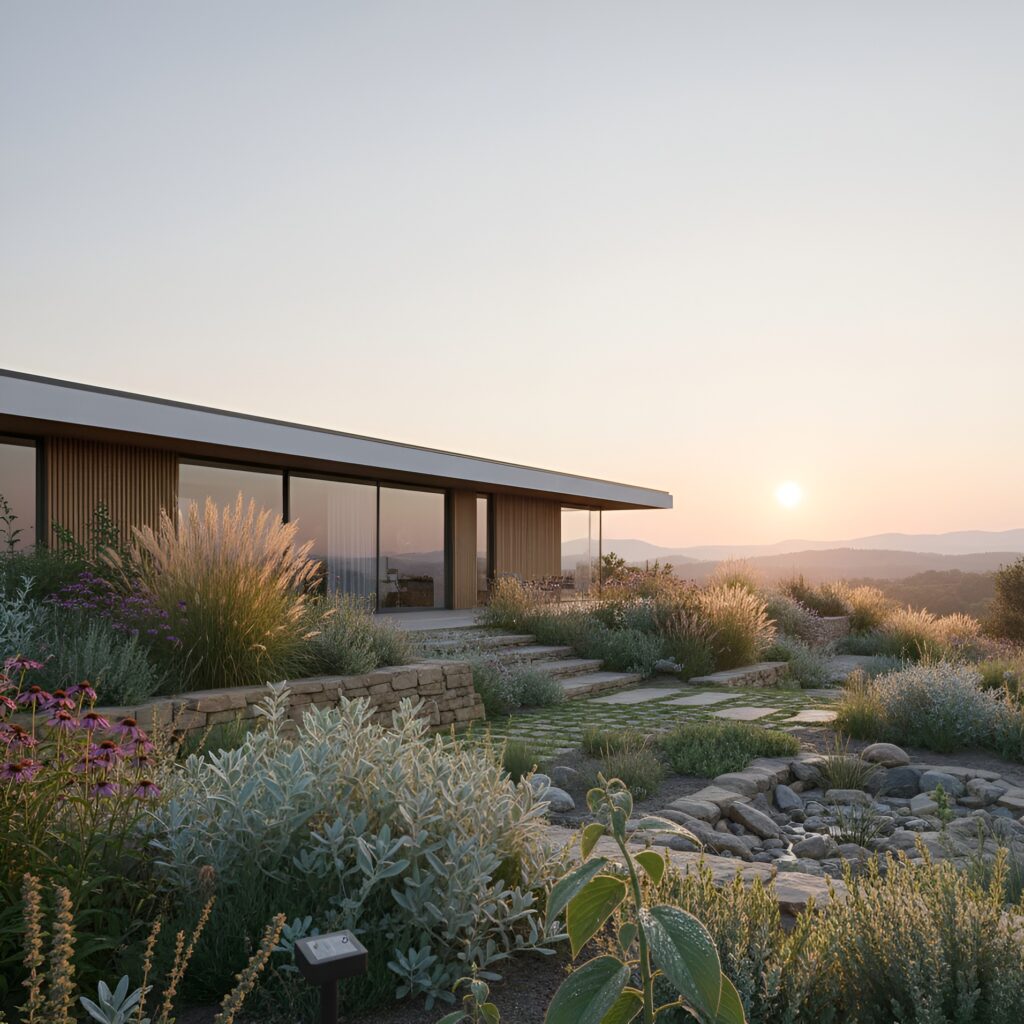
The global landscape industry is undergoing a fundamental shift. In 2026, the focus has moved from purely decorative gardening to “Climate Resilience”—the art of creating outdoor spaces that can withstand extreme weather, protect local biodiversity, and thrive with minimal human intervention.
The Era of the Resilient Garden
As summers become hotter and rainfall patterns more unpredictable, the traditional lawn-and-flowerbed model is becoming obsolete. The modern industry now prioritizes “adaptive design,” where every plant and stone serves a functional purpose in stabilizing the local microclimate.
The garden of 2026 is no longer a luxury; it is a living shield for your home.
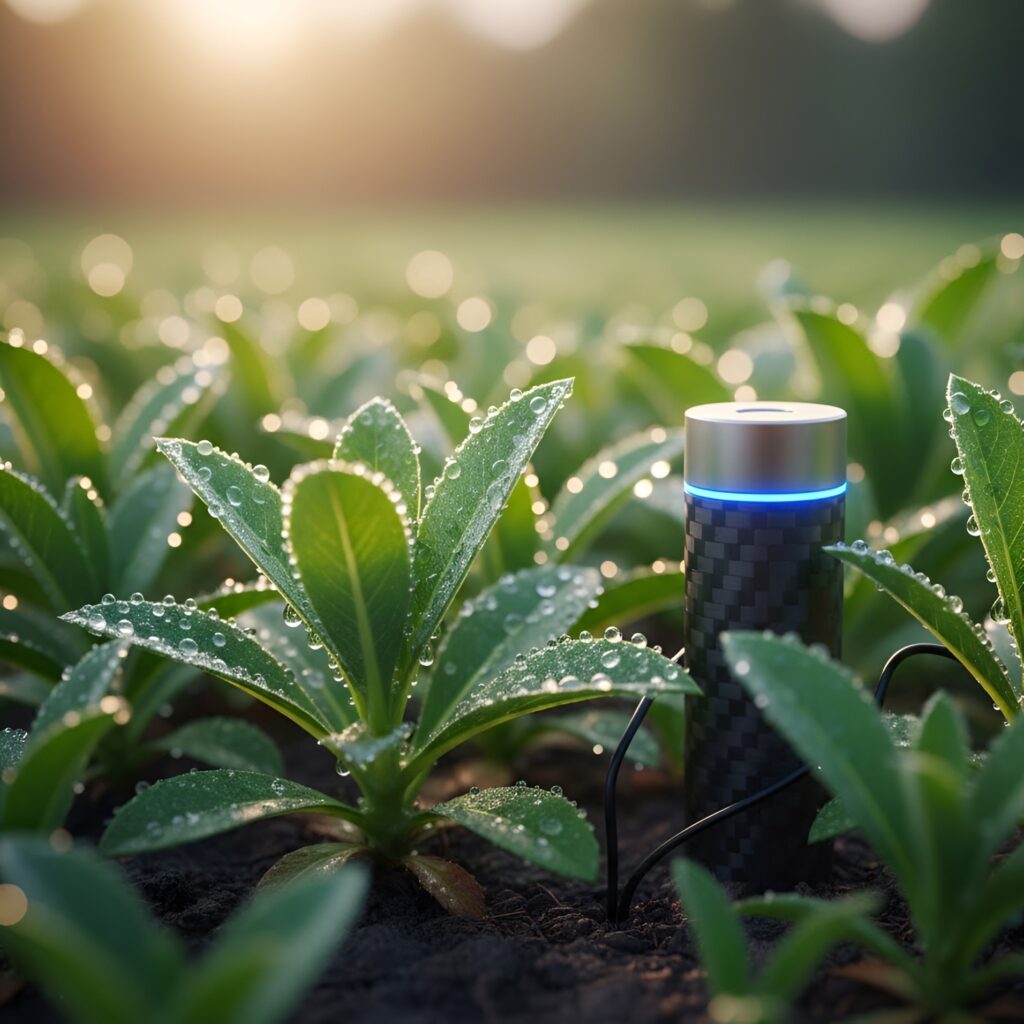
“We are witnessing the death of the ‘high-maintenance’ landscape. The future belongs to gardens that are engineered to be self-sustaining, using native genetics and intelligent water management to survive and flourish in a changing world.”
Key Pillars of Modern Resilience
Professional designers are now focusing on three core elements to ensure a property’s long-term viability:
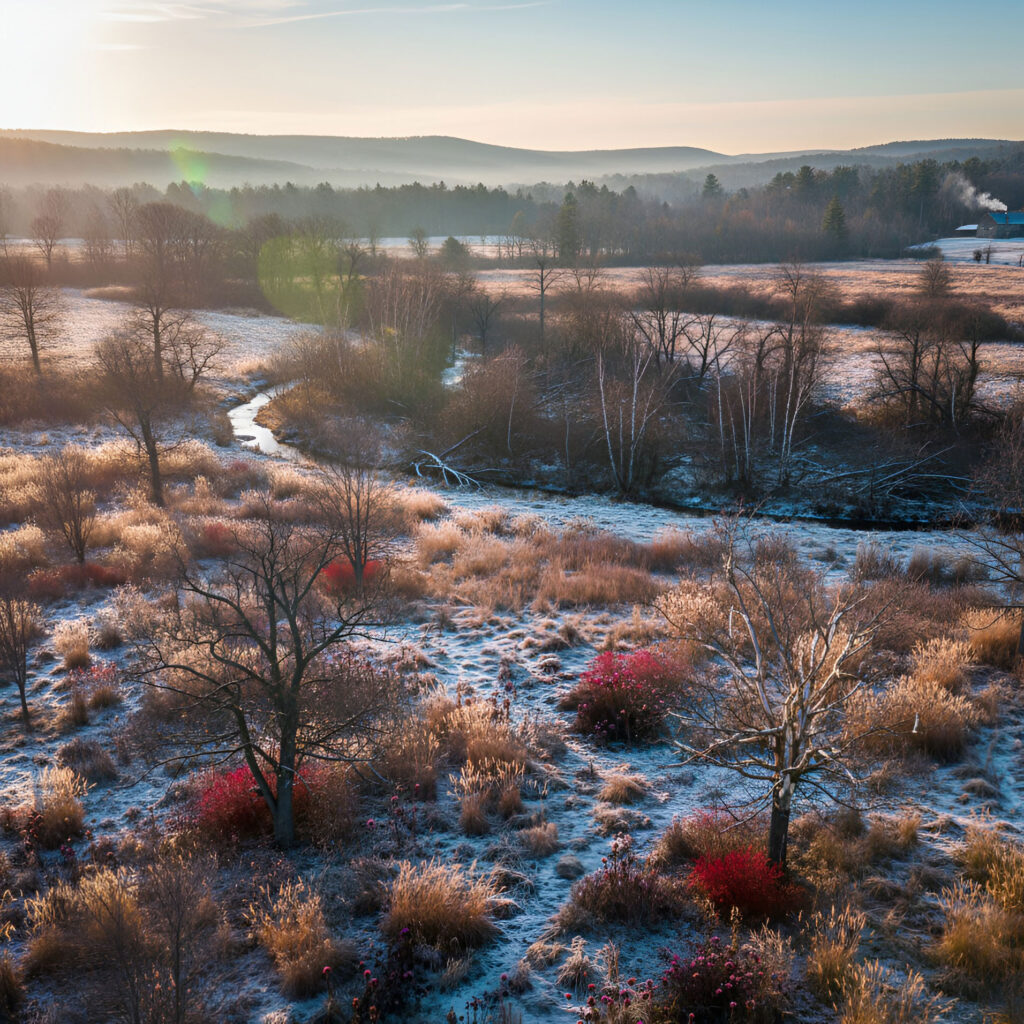
Utilizing drought-tolerant native species that require little to no irrigation once established, significantly reducing water dependency without sacrificing beauty.
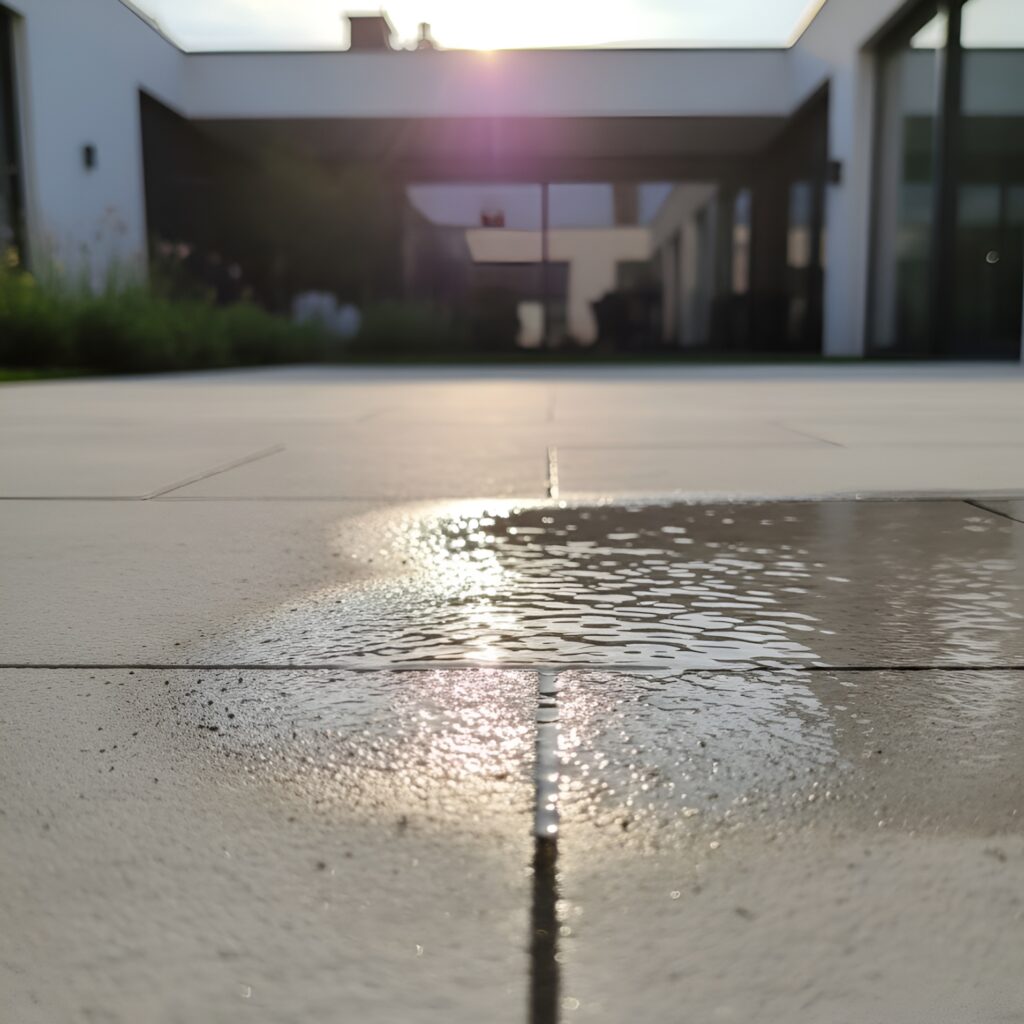
Replacing solid concrete with permeable paving and “rain gardens” that absorb 100% of storm runoff, preventing erosion and recharging local groundwater.
Using deep-rooted perennials and organic mulching techniques to turn your garden into a carbon sink, actively fighting climate change from your backyard.
The Value of Ecological Authenticity
Investing in a resilient landscape increases property value by ensuring lower maintenance costs and a higher survival rate for expensive botanical specimens:
• Native Provenance: Plants sourced from local wild populations are 3x more likely to survive extreme heatwaves than commercial hybrids.
• Biodiversity Buffers: Diverse plantings prevent pest outbreaks naturally, eliminating the need for chemical fertilizers and pesticides.
• Thermal Regulation: Strategically placed tree canopies can lower the ambient temperature around a residence by up to 5°C during summer peaks.
Prepare Your Estate for the Future
The Old Oak provides expert consultations on climate-adaptive design. Let us audit your landscape’s resilience:
Phone: +359 89 964 3080
E-Mail: info@theoldoak.eu