

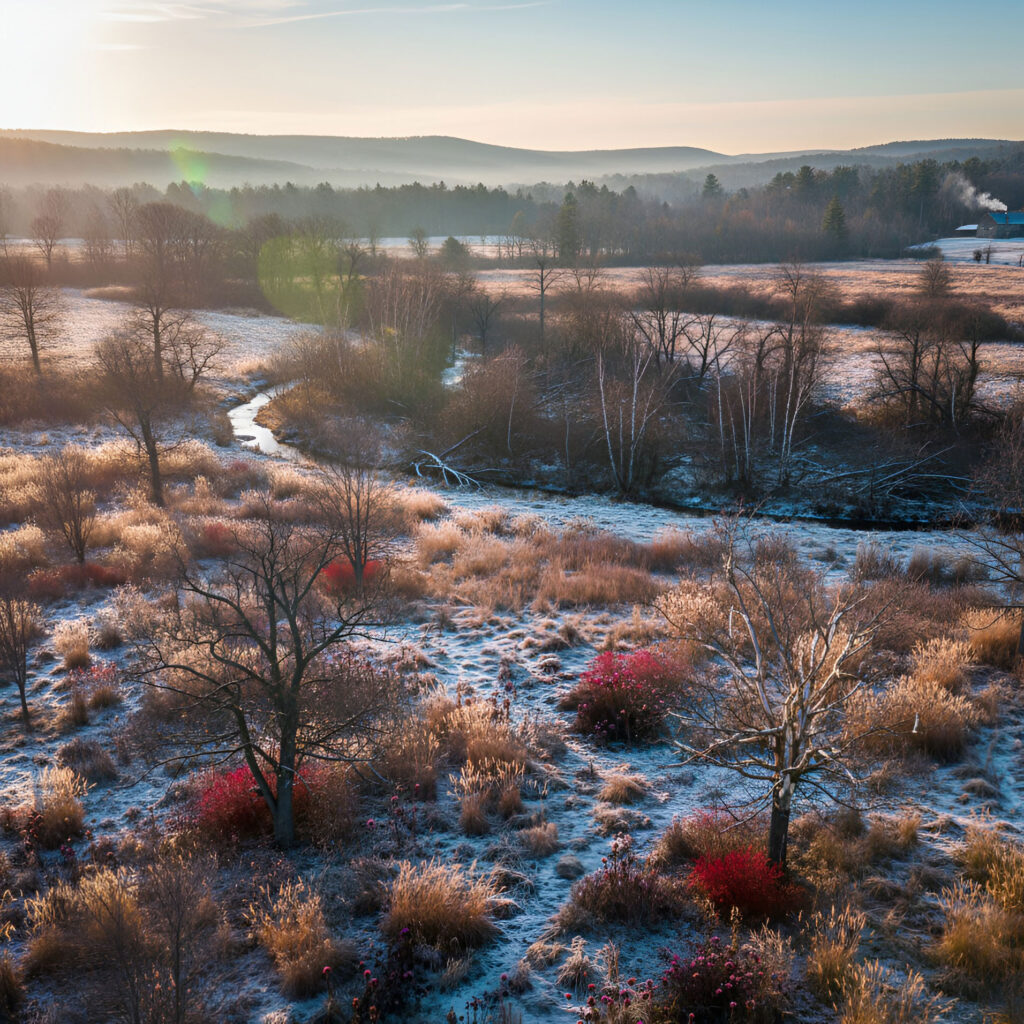
At The Old Oak, we believe in giving back to the earth. This month, our team completed a transformative rewilding initiative on a 12-acre former agricultural parcel in the Hudson Valley—planting over 3,000 native trees, shrubs, and perennials to restore ecological function, sequester carbon, and create a living legacy for generations to come.
From Exhausted Field to Thriving Ecosystem
The land arrived to us tired. Decades of conventional farming had depleted its topsoil, simplified its biology, and severed its connections to surrounding woodlands. What remained was a flat, sun-scorched field with compacted earth and almost no habitat value.
We saw not exhaustion, but potential.
“A landscape should not merely look beautiful—it should do beautiful work: clean water, feed wildlife, cool the air, and heal the soil. Beauty is the visible signature of ecological health.”
The Living Architecture
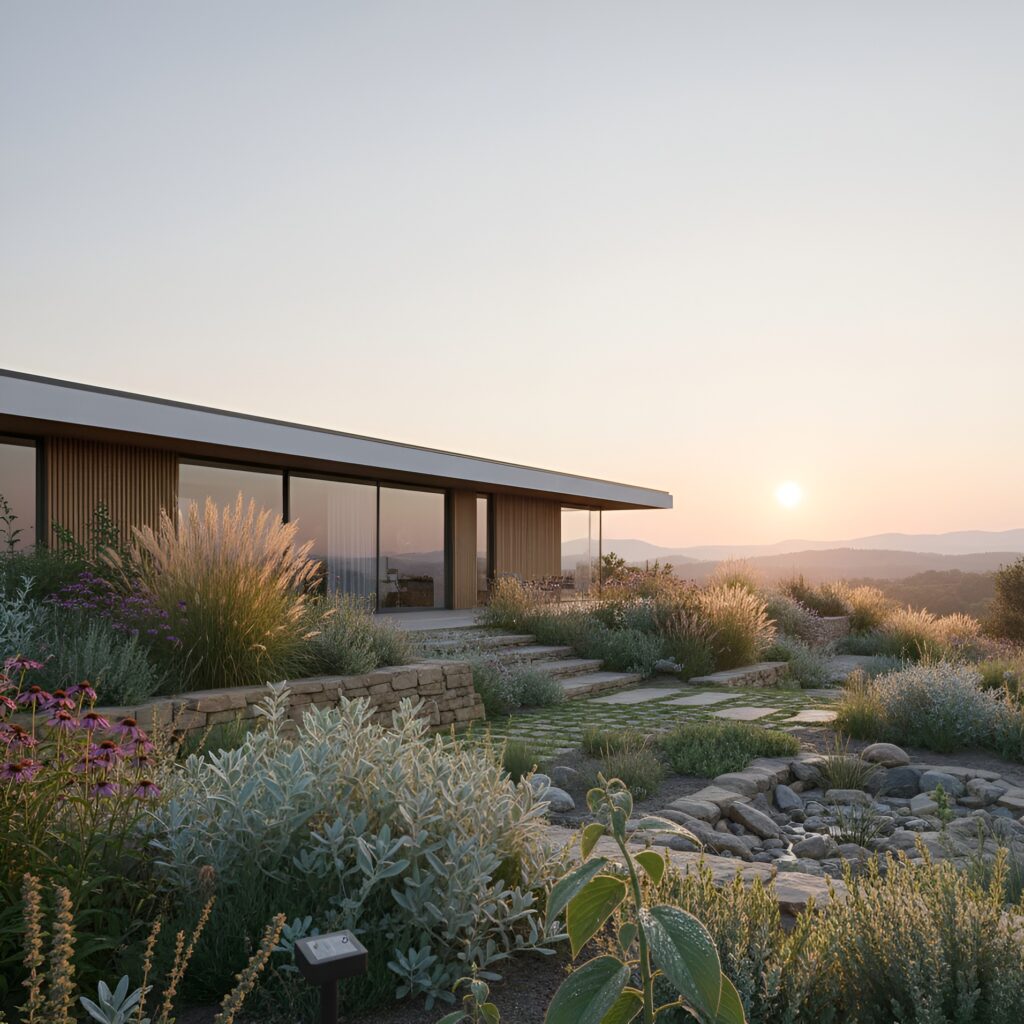
We divided the site into interlocking plant communities:
Along the property’s seasonal stream, we planted Betula nigra (river birch) and Itea virginica to stabilize banks and filter runoff naturally.
Scattered groves of Quercus rubra (red oak) rise above warm-season grasses to maximize carbon capture while allowing sunlight to nourish the understory.
A transitional edge of Viburnum dentatum and Amelanchier creates shelter and food for songbirds where biodiversity thrives.
Carbon in the Soil, Hope in the Air
This project is more than aesthetics—it’s climate action rooted in place:
• Carbon sequestration: Our young planting will reach 40% of mature capacity within 25 years.
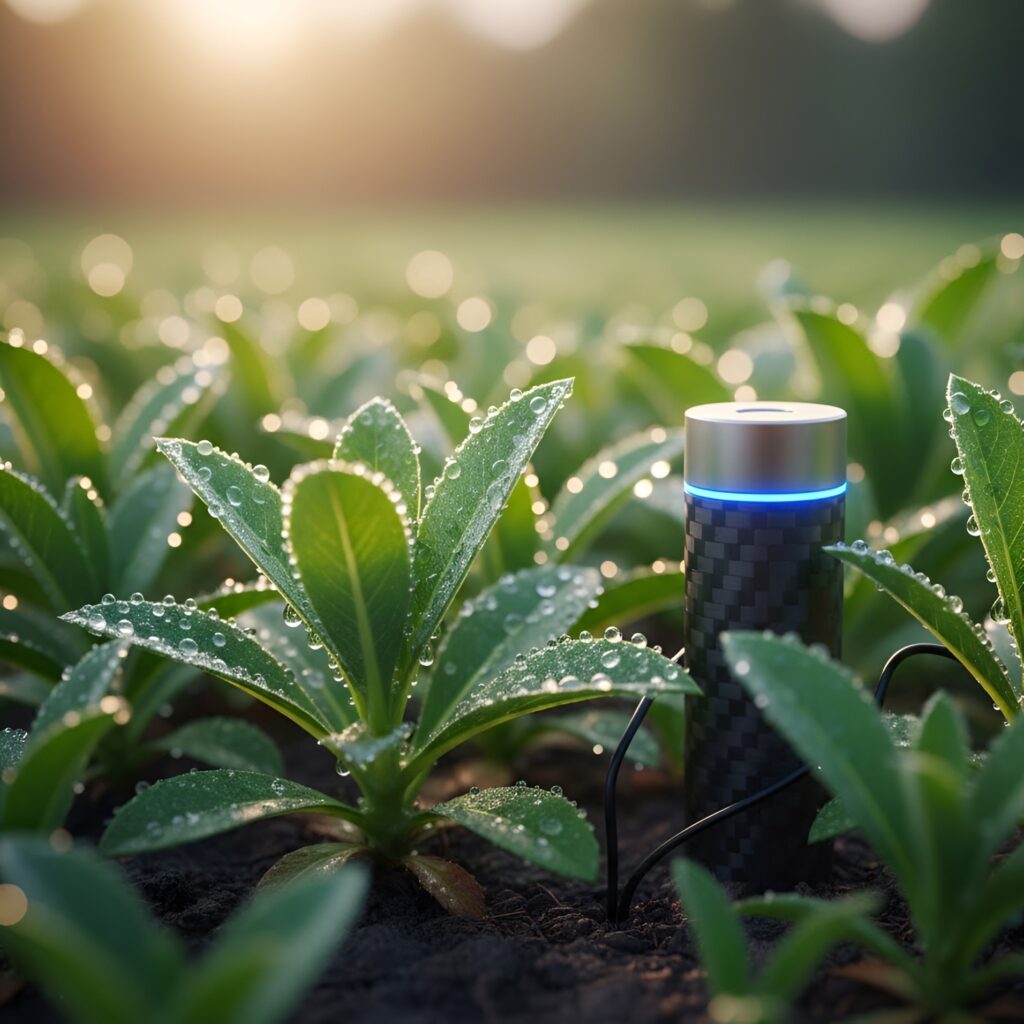
• Soil regeneration: Initial soil tests showed 1.8% organic content; we project 4%+ within five years.
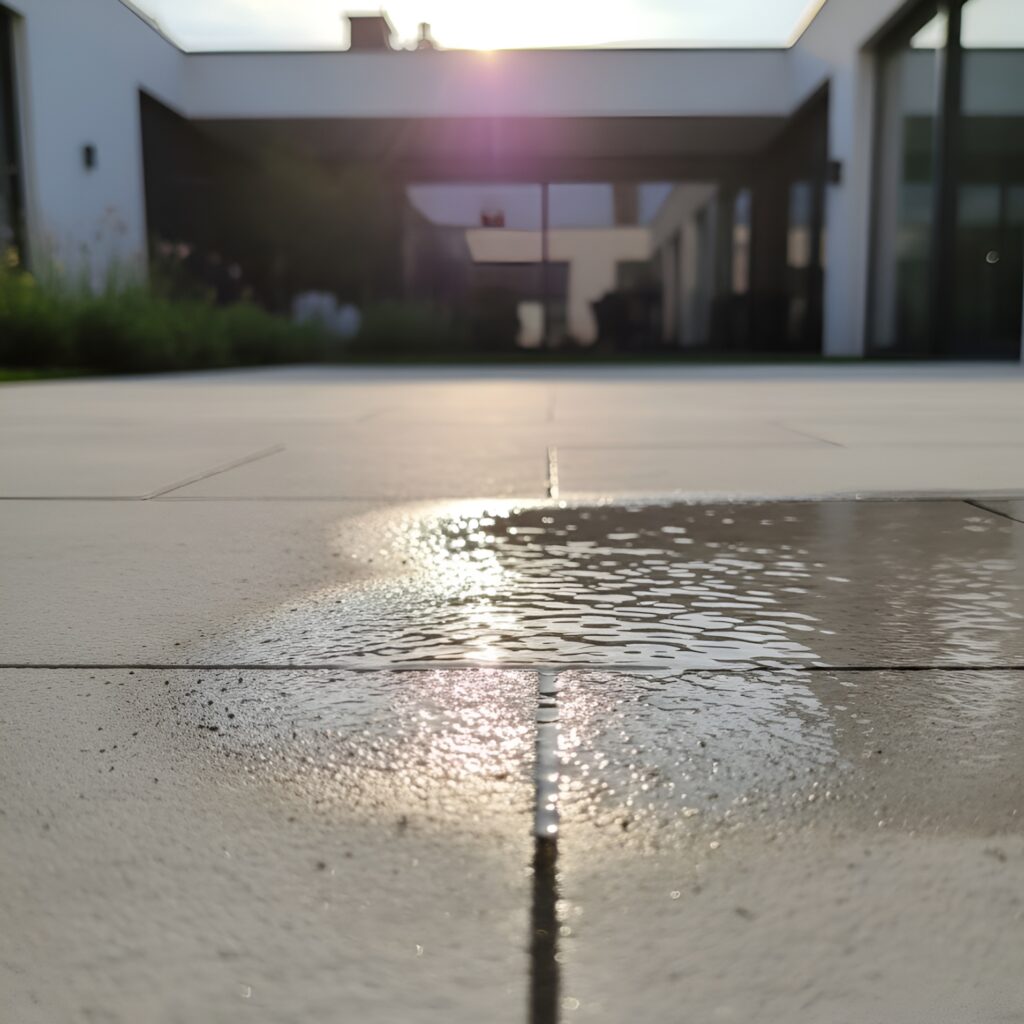
• Water resilience: The site now absorbs 90% of rainfall on-site, reducing runoff pollution.
How You Can Grow Your Own Legacy
You don’t need 12 acres to make a difference. Start where you stand:
1. Replace one lawn section with a native plant guild (e.g., Asclepias tuberosa + Echinacea).
2. Leave fallen leaves in garden beds—they’re free mulch and insect habitat.
3. Plant a keystone species: One native oak supports over 500 species of caterpillars.